
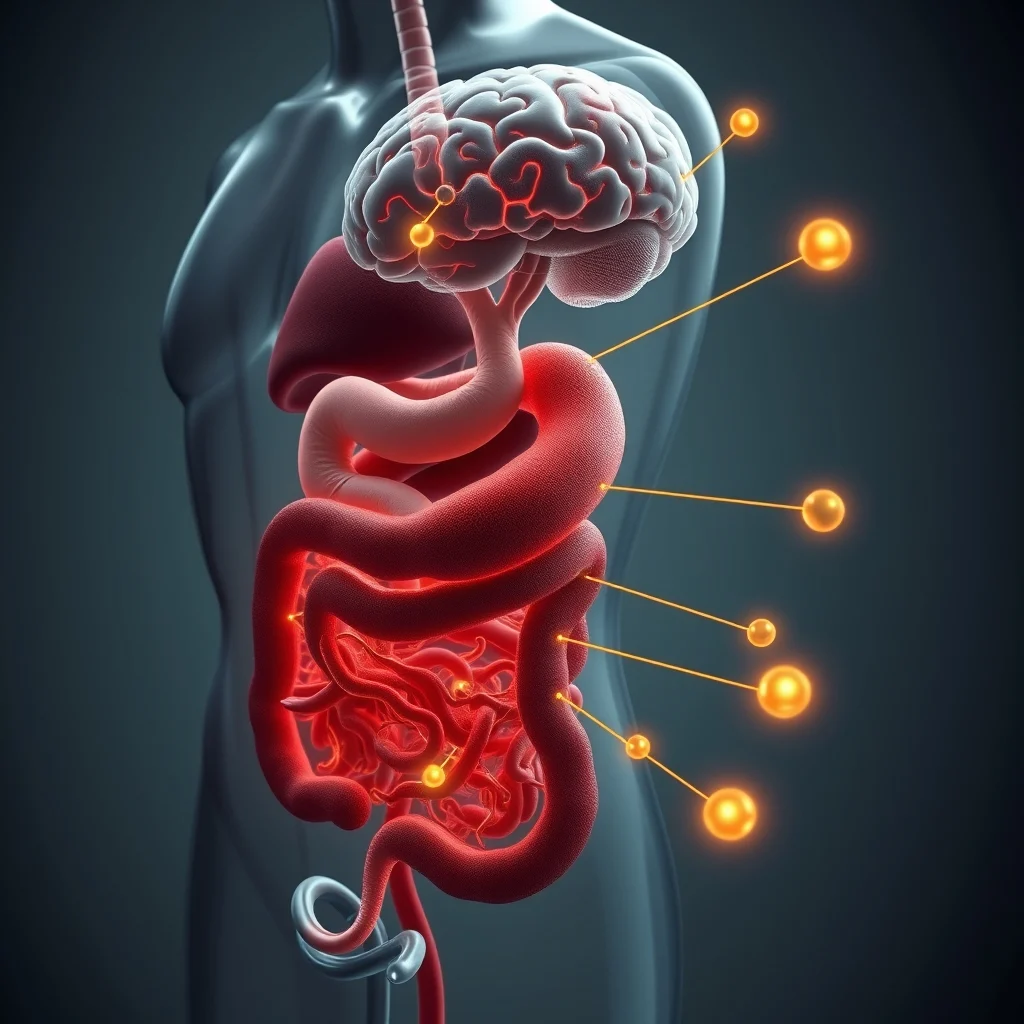
In the past decade, dermatological research has shifted focus from external treatments to internal systemic interactions, revealing a complex network where gut health, hormonal balance, and stress levels dictate skin outcomes. This evolution reflects a growing recognition that conditions like acne, eczema, and rosacea are not merely surface-level issues but manifestations of deeper physiological disruptions. The phenomenon, now widely studied under frameworks like the Brain-Gut-Skin Axis, affects an estimated 85% of individuals aged 12 to 24 experiencing acne, with 50% of cases persisting into adulthood, according to a 2023 report by the American Academy of Dermatology. The implications extend beyond cosmetic concerns, as chronic skin inflammation is increasingly linked to long-term metabolic and psychological comorbidities.
The current landscape is defined by three primary stakeholders: medical researchers investigating mechanistic pathways, dermatologists integrating internal medicine into treatment protocols, and patients navigating a market flooded with both evidence-based interventions and unregulated wellness products. The surge in consumer interest has also drawn attention from regulatory bodies like the FDA, which issued draft guidance in 2022 on probiotic claims in skincare, reflecting the need to standardize industry practices. Meanwhile, clinical trials at institutions such as the National Institutes of Health (NIH) and the Mayo Clinic are generating data on how dietary modifications, hormonal therapies, and stress-reduction techniques alter skin barrier function and inflammatory markers.
Historical Context: From Topical Fixes to Systemic Solutions
The conceptualization of skin as a reflection of internal health is not new. Traditional Chinese Medicine and Ayurveda have long posited that skin conditions stem from imbalances in the body’s core systems. However, modern scientific validation of these theories began in the mid-20th century with isolated studies on the gut-skin connection. Key milestones include:
- 1930s: Dermatologists John H. Stokes and Donald M. Pillsbury hypothesized a link between emotional states, gut bacteria, and skin inflammation, though their work remained largely theoretical due to limited diagnostic tools.
- 1960s-1980s: Research on Propionibacterium acnes and sebum production dominated acne studies, reinforcing the topical treatment paradigm with antibiotics and retinoids.
- 2000s: The Human Microbiome Project (2007) and subsequent studies revealed the gut’s role in immune regulation, prompting a reevaluation of skin conditions as immune-mediated disorders.
- 2010s: Clinical trials demonstrated that probiotics like Lactobacillus and Bifidobacterium strains reduced acne severity by 30-50% in randomized controlled studies (2013-2018).
- 2020s: The COVID-19 pandemic accelerated research on stress-induced skin inflammation, with a 2021 JAMA Dermatology study reporting a 25% increase in acne and eczema flare-ups among healthcare workers during high-stress periods.
Operational Mechanics: How Gut, Hormones, and Stress Rewire Skin
The gut-skin axis operates through a bidirectional communication system involving the immune system, endocrine pathways, and neural networks. Disruptions in gut microbiota—caused by antibiotics, processed foods, or chronic stress—trigger systemic inflammation, which manifests in the skin via:
- Immune Activation: A 2022 study in Cell Reports Medicine found that gut dysbiosis increases intestinal permeability, allowing bacterial endotoxins (lipopolysaccharides) to enter the bloodstream. These endotoxins activate Toll-like receptors on keratinocytes, prompting the release of pro-inflammatory cytokines like IL-17 and TNF-alpha, which exacerbate acne and psoriasis.
- Hormonal Fluctuations: Androgens like testosterone and dihydrotestosterone (DHT) stimulate sebum production, while estrogen and progesterone modulate skin hydration and wound healing. A 2020 meta-analysis in Clinical Endocrinology confirmed that women with polycystic ovary syndrome (PCOS), a condition marked by elevated androgens, are three times more likely to develop severe acne. Cortisol, the primary stress hormone, further amplifies inflammation by upregulating sebum synthesis and impairing skin barrier repair.
- Neuroendocrine Pathways: The vagus nerve connects the gut and brain, forming a feedback loop where stress alters gut motility and microbial composition. A 2021 Nature study demonstrated that mice exposed to chronic stress exhibited a 40% reduction in Akkermansia muciniphila, a gut bacterium associated with anti-inflammatory effects, alongside increased skin inflammation.
Quantitative Data: Measuring the Impact
Empirical data underscores the scale of these interactions. Below is a comparison of key metrics across studies:
| Metric | Gut Health Impact | Hormonal Impact | Stress Impact |
|---|---|---|---|
| Acne Severity Reduction | 30-50% (probiotic intervention, NIH 2018) | 45% (spironolactone in women, JAMA Dermatology 2019) | 20-35% (mindfulness-based stress reduction, JAMA Dermatology 2021) |
| Inflammatory Markers (IL-17, TNF-alpha) | ↓ 25-40% (gut microbiota modulation) | ↑ 50-70% (androgen excess) | ↑ 30-60% (chronic stress) |
| Skin Barrier Function (TEWL*) | ↓ 15-25% (probiotic supplementation) | ↑ 20-30% (estrogen deficiency) | ↑ 40-50% (acute stress) |
*TEWL: Transepidermal Water Loss, a measure of skin barrier integrity.
Systemic Impacts: Beyond the Dermis
The consequences of dysregulated gut-skin-hormone interactions extend to broader health outcomes. Chronic skin inflammation is associated with a 2-3x higher risk of developing insulin resistance and metabolic syndrome, as documented in a 2020 Diabetes Care study. Psychologically, individuals with moderate to severe acne report depression and anxiety rates comparable to those with chronic illnesses like diabetes, per a 2018 British Journal of Dermatology analysis. The economic burden is equally significant: the global acne treatment market, valued at $9.4 billion in 2022, is projected to grow at a CAGR of 5.2% through 2030, driven by demand for non-antibiotic therapies.
Stakeholders are responding with divergent strategies. Dermatologists like Dr. Whitney Bowe, author of The Beauty of Dirty Skin, advocate for a “skin-gut diet” rich in fiber, omega-3s, and polyphenols to support microbial diversity. “We’re seeing patients achieve clearer skin in 8-12 weeks with dietary changes alone, particularly those reducing high-glycemic foods and dairy,” Bowe noted in a 2023 interview with Dermatology Times. Conversely, endocrinologists emphasize hormonal therapies, with Dr. Anuja Dokras of the University of Pennsylvania stating, “For women with PCOS, anti-androgen medications like spironolactone are often the most effective long-term solution for hormonal acne, but they require careful monitoring for side effects.”
Industry perspectives vary widely. Probiotic skincare brands like Tula and Mother Dirt market products containing live bacteria, citing internal studies showing a 20% improvement in skin hydration. However, critics argue that topical probiotics lack robust clinical validation. “The skin microbiome is fundamentally different from the gut microbiome,” cautioned Dr. Julie Segre, a senior investigator at the NIH, in a 2022 Science article. “We need more data before claiming these products can replicate the benefits of oral probiotics.”
Competing Perspectives: Evidence vs. Anecdote
Patient experiences further complicate the narrative. Online communities like Reddit’s r/SkincareAddiction and r/HormonalAcne share anecdotal success stories with elimination diets (e.g., dairy-free, gluten-free) and supplements like zinc and spearmint tea. A 2021 survey of 1,200 r/HormonalAcne members found that 68% reported improvement after cutting dairy, though only 12% had undergone formal food sensitivity testing. “The placebo effect is powerful,” acknowledged Dr. Peter Lio, a clinical assistant professor at Northwestern University, “but if a patient feels better and their skin improves, we shouldn’t dismiss their experience entirely.”
Regulatory bodies remain cautious. The FDA’s 2022 draft guidance on probiotics in cosmetics highlighted the lack of standardized definitions for terms like “microbiome-friendly,” leaving consumers vulnerable to misleading claims. Meanwhile, the European Union’s Scientific Committee on Consumer Safety (SCCS) has yet to approve any live bacteria in topical products, citing insufficient safety data. “The burden of proof lies with manufacturers,” said Dr. Linda Katz, director of the FDA’s Office of Cosmetics and Colors, in a 2023 public forum. “We need peer-reviewed studies, not just testimonials.”
The path forward hinges on bridging these gaps. Large-scale, longitudinal studies like the NIH’s Gut-Skin Axis in Health and Disease initiative, launched in 2023, aim to identify biomarkers linking gut microbiota to specific skin conditions. Concurrently, the skincare industry is investing in postbiotics—metabolites produced by probiotics—which may offer the benefits of live bacteria without the stability challenges. For patients, the proliferation of at-home microbiome testing kits (e.g., Viome, Thryve) promises personalized insights, though experts warn that the science is still in its infancy. As research advances, the integration of internal and external therapies may redefine dermatological care, shifting the paradigm from symptom management to root-cause resolution. The next five years will likely see the emergence of hybrid treatments combining dietary modifications, hormonal therapies, and targeted probiotics, with regulatory frameworks struggling to keep pace.
You may also like
-
Clinical Precision in Dermatology: A Multidimensional Analysis of Medical-Grade Solutions for Acne, Eczema, and Sensitive Skin Barriers
-
Targeted Actives for Sensitive Skin: A Multidimensional Analysis of Clinical Efficacy, Ingredient Synergy, and Dermatological Innovation
-
The Science of Skin Barrier Repair: Mechanisms, Therapeutic Innovations, and the Role of Lipid Replenishing Skincare in Modern Dermatology
-
The Evolving Landscape of Medical-Grade Skincare: Clinical Solutions for Acne, Eczema, and Sensitive Skin Barriers in 2024
-
The Gut-Skin-Hormone Axis: A 360-Degree Examination of Internal Triggers in Chronic Skin Conditions