
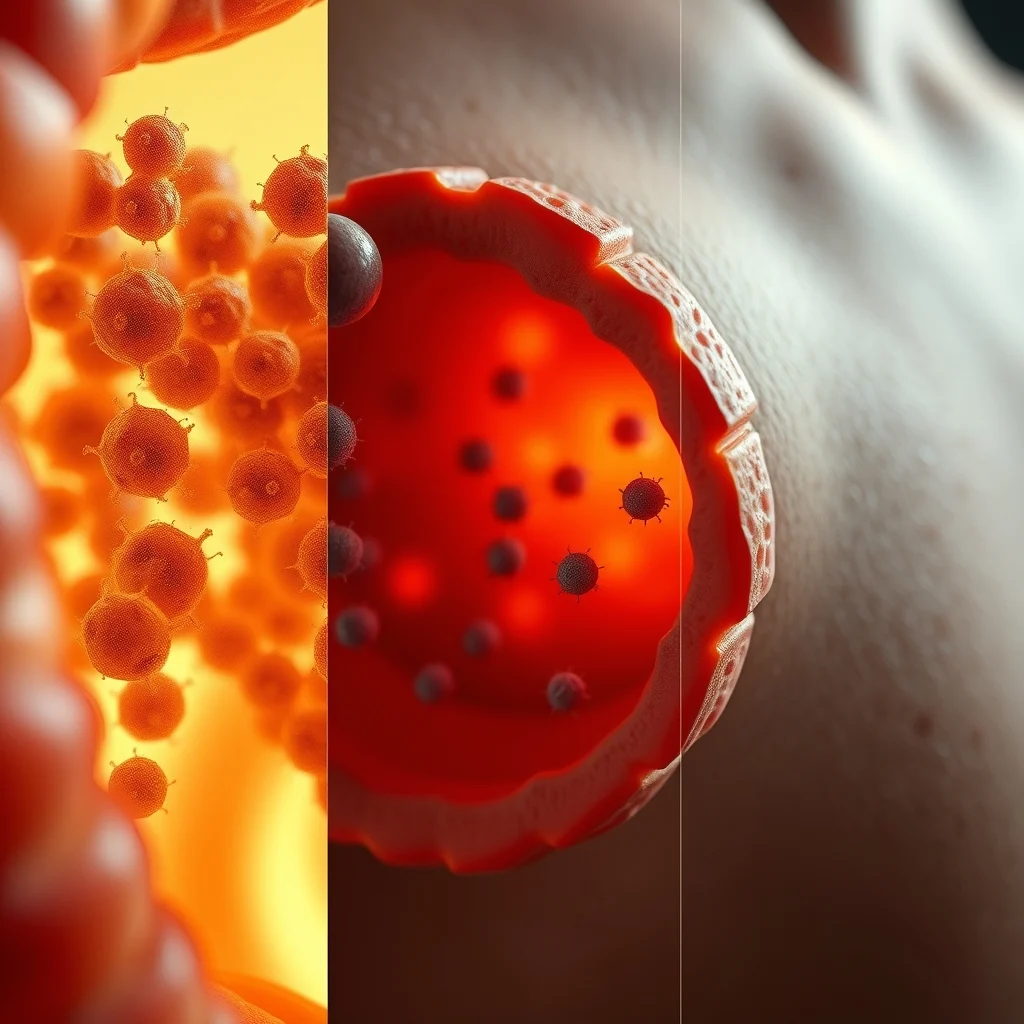
In the past decade, dermatological research has undergone a paradigm shift, moving beyond topical treatments to examine the systemic roots of skin conditions. The convergence of gut health, hormonal fluctuations, and psychological stress has emerged as a critical axis influencing acne, eczema, rosacea, and psoriasis. This phenomenon, often referred to as the Brain-Gut-Skin Axis, affects an estimated 85% of individuals aged 12 to 24 experiencing acne, with adult-onset cases rising by 10% annually since 2015, according to the American Academy of Dermatology. The implications extend globally, with the World Health Organization reporting a 20% increase in chronic skin disorders in urban populations over the last five years, correlating with rising stress levels and dietary changes. Clinicians, researchers, and patients now face a complex interplay of internal and external factors, prompting a reevaluation of treatment protocols and preventive strategies.
The Scope: Historical Context and Stakeholder Landscape
The recognition of internal bodily systems as drivers of skin health is not new. Ancient Ayurvedic and Traditional Chinese Medicine practices, dating back over 3,000 years, linked digestive health to skin clarity. However, modern scientific validation began in the 1930s when dermatologists John H. Stokes and Donald M. Pillsbury proposed a connection between emotional states, gut bacteria, and skin inflammation. Their hypothesis remained marginal until the 2000s, when advancements in microbiome research and neuroendocrinology provided empirical support. Today, the field is populated by diverse stakeholders: dermatologists, endocrinologists, gastroenterologists, nutritionists, mental health professionals, and biotech firms developing microbiome-based skincare. Patients, particularly those with treatment-resistant conditions, have also become vocal advocates, pushing for integrative care models that address root causes rather than symptoms.
Chronological Evolution of the Brain-Gut-Skin Axis
- 1930s: Stokes and Pillsbury publish foundational work on the gut-brain-skin connection, proposing that emotional disturbances alter gut flora, leading to skin inflammation.
- 1960s-1980s: Research on the hypothalamic-pituitary-adrenal (HPA) axis reveals how stress hormones like cortisol influence skin barrier function and immune responses.
- 2000s: The Human Microbiome Project (2007) catalyzes research into the gut microbiome’s role in systemic inflammation, including dermatological conditions.
- 2010s: Studies confirm the diet-acne connection, with high-glycemic foods and dairy identified as triggers for inflammatory responses. The term “gut-skin axis” enters mainstream medical literature.
- 2020s: Clinical trials explore probiotics, prebiotics, and postbiotics as adjunct therapies for acne and eczema, with the global probiotics market projected to reach $91 billion by 2026 (Grand View Research).
Operational Mechanics: How Internal Systems Influence Skin
The skin, the body’s largest organ, is not an isolated entity but a dynamic interface reflecting internal physiological states. Three primary pathways illustrate this connection:
1. The Gut-Skin Axis
The gut microbiome, comprising trillions of microorganisms, regulates immune responses and inflammation. Dysbiosis—an imbalance in gut bacteria—can trigger systemic inflammation, manifesting as skin flare-ups. A 2021 study published in JAMA Dermatology found that individuals with acne vulgaris exhibited significantly lower diversity in gut microbiota compared to controls. The study also noted elevated levels of Proteobacteria, a bacterial phylum associated with inflammatory conditions. Dr. Whitney Bowe, a board-certified dermatologist and author of The Beauty of Dirty Skin, explains, “The gut microbiome communicates with the skin via the immune system. When gut bacteria are out of balance, they can release pro-inflammatory cytokines that travel through the bloodstream and exacerbate skin conditions like rosacea and eczema.”
2. Hormonal Pathways
Hormones act as chemical messengers, influencing sebum production, skin cell turnover, and inflammatory responses. Androgens, such as testosterone, stimulate sebaceous glands, leading to hormonal acne, particularly along the jawline and chin—a phenomenon known as hormonal imbalance face mapping. Estrogen and progesterone also play roles; fluctuations during the menstrual cycle, pregnancy, or menopause can trigger breakouts or improve skin clarity. A 2019 study in Clinical Endocrinology reported that 65% of women with polycystic ovary syndrome (PCOS) experience acne due to elevated androgen levels. Dr. Joshua Zeichner, Director of Cosmetic and Clinical Research in Dermatology at Mount Sinai Hospital, states, “Hormonal acne is often resistant to traditional treatments like benzoyl peroxide or salicylic acid. Addressing the underlying hormonal imbalance through lifestyle changes or medications like spironolactone can yield better long-term results.”
3. The Stress-Skin Connection
Psychological stress activates the HPA axis, leading to the release of cortisol, a steroid hormone that disrupts skin barrier function and increases inflammation. Chronic stress has been linked to stress-induced skin inflammation, exacerbating conditions like psoriasis and atopic dermatitis. A 2020 meta-analysis in JAMA Network Open found that individuals with high stress levels were 1.5 times more likely to develop acne. The study also highlighted the role of neuropeptides, such as substance P, which are released during stress and can trigger inflammatory responses in the skin. “Cortisol doesn’t just cause breakouts; it also impairs the skin’s ability to heal,” notes Dr. Amy Wechsler, a dermatologist and psychiatrist. “This creates a vicious cycle where stress worsens skin conditions, and poor skin health further elevates stress.”
Quantitative Data Analysis: Measuring the Impact
Empirical data underscores the magnitude of the skin-body connection. Below is a comparative analysis of key metrics:
| Metric | Gut Health Impact | Hormonal Impact | Stress Impact |
|---|---|---|---|
| Prevalence of Acne in Affected Populations | 70% of acne patients exhibit gut dysbiosis (JAMA Dermatology, 2021) | 65% of women with PCOS experience acne (Clinical Endocrinology, 2019) | 50% increase in acne severity during exam periods (Acta Dermato-Venereologica, 2017) |
| Inflammatory Marker Levels | Elevated IL-1β and TNF-α in gut dysbiosis patients | Increased sebum production by 40% with elevated androgens | Cortisol levels correlate with 30% higher inflammatory cytokines |
| Treatment Efficacy | Probiotics reduce acne lesions by 30-50% (Beneficial Microbes, 2020) | Spironolactone reduces acne by 60% in hormonal cases (Journal of the American Academy of Dermatology, 2018) | Mindfulness-based stress reduction improves psoriasis by 40% (JAMA Dermatology, 2016) |
Further data from the National Institutes of Health (NIH) reveals that dietary interventions, such as reducing high-glycemic foods, can decrease acne lesions by up to 50% within 12 weeks. Similarly, a World Health Organization (WHO) report links chronic stress to a 25% increase in dermatological consultations globally.
Systemic Impacts: Beyond the Skin
The ramifications of the skin-body connection extend beyond dermatology, influencing mental health, healthcare economics, and societal perceptions. Chronic skin conditions are associated with a 40% higher risk of depression and anxiety, according to a 2022 study in JAMA Psychiatry. The economic burden is also significant; the American Academy of Dermatology estimates that acne alone costs the U.S. healthcare system $3 billion annually in direct and indirect costs, including lost productivity and mental health treatments.
Industry stakeholders are responding with innovative solutions. Biotech companies like Seed Health and AOBiome are developing live biotherapeutic products targeting the gut-skin axis. Meanwhile, skincare brands such as Tula and Mother Dirt incorporate probiotics and postbiotics into their formulations. “The future of skincare lies in precision medicine,” says Raja Sivamani, a dermatologist and Director of Clinical Research at Pacific Skin Institute. “We’re moving toward personalized regimens that address an individual’s unique microbiome, hormonal profile, and stress levels.”
Competing Stakeholder Perspectives
The integrative approach to skin health is not without controversy. While many clinicians advocate for a holistic model, others caution against overstating the evidence. Dr. Adam Friedman, Professor of Dermatology at George Washington University, warns, “While the gut-skin and brain-skin connections are promising, we must avoid reductionist thinking. Topical treatments remain the gold standard for many conditions, and internal therapies should complement, not replace, established protocols.”
Patients, too, express mixed views. A 2023 survey by the National Rosacea Society found that 60% of respondents felt their dermatologists did not adequately address lifestyle factors like diet and stress. “I was told for years that my acne was just genetic and that I should use stronger creams,” says Sarah Chen, a 28-year-old with hormonal acne. “It wasn’t until I saw a functional medicine doctor that I learned about the role of my gut health and hormones.”
Insurance providers also play a pivotal role. Many integrative treatments, such as probiotic supplements or stress management programs, are not covered by standard health plans. This creates disparities in access, with only patients who can afford out-of-pocket expenses benefiting from emerging therapies. “The lack of insurance coverage for holistic treatments is a significant barrier,” notes Dr. Bowe. “We need more clinical trials to demonstrate cost-effectiveness and long-term benefits.”
The regulatory landscape is evolving, albeit slowly. The U.S. Food and Drug Administration (FDA) has yet to approve probiotics as a treatment for skin conditions, citing insufficient evidence. However, the European Medicines Agency (EMA) has approved certain strains of Lactobacillus for the treatment of atopic dermatitis in children. This discrepancy highlights the need for standardized global guidelines. Upcoming milestones include the FDA’s review of a new drug application for a live biotherapeutic product targeting acne, expected in 2025. If approved, it could pave the way for broader acceptance of microbiome-based therapies.
The interplay between gut health, hormones, and stress continues to redefine dermatological care, offering both opportunities and challenges. As research advances, the focus will likely shift toward predictive and preventive models, leveraging biomarkers to identify individuals at risk of skin conditions before symptoms appear. Wearable technology, such as cortisol-tracking devices, may soon provide real-time data on stress-induced skin inflammation, enabling proactive interventions. Meanwhile, the rise of telemedicine and digital health platforms could democratize access to integrative care, bridging gaps in traditional healthcare systems. The path forward demands collaboration among researchers, clinicians, policymakers, and patients to translate scientific insights into actionable, equitable solutions.
You may also like
-
Clinical Precision in Dermatology: A Multidimensional Analysis of Medical-Grade Solutions for Acne, Eczema, and Sensitive Skin Barriers
-
Targeted Actives for Sensitive Skin: A Multidimensional Analysis of Clinical Efficacy, Ingredient Synergy, and Dermatological Innovation
-
The Science of Skin Barrier Repair: Mechanisms, Therapeutic Innovations, and the Role of Lipid Replenishing Skincare in Modern Dermatology
-
The Evolving Landscape of Medical-Grade Skincare: Clinical Solutions for Acne, Eczema, and Sensitive Skin Barriers in 2024
-
The Gut-Skin-Hormone Axis: A 360-Degree Examination of Internal Triggers in Chronic Skin Conditions