
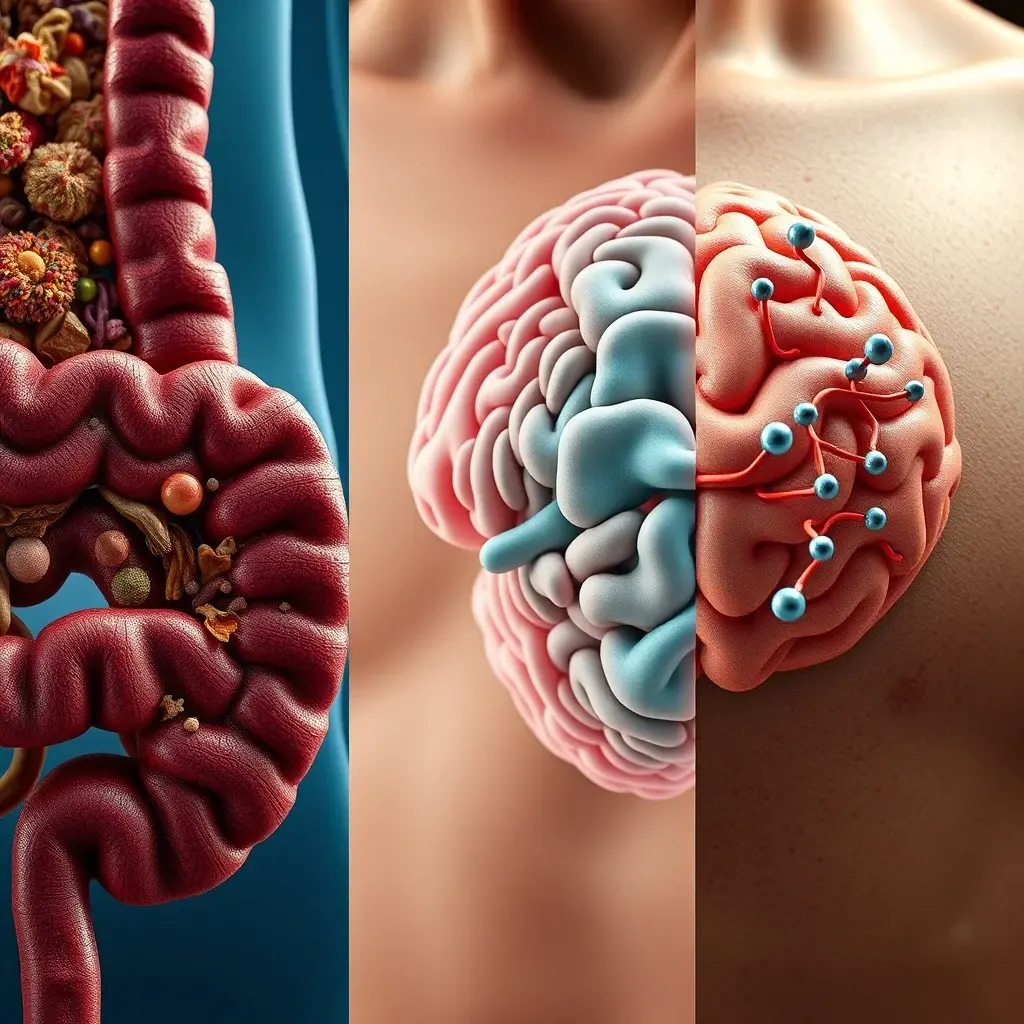
In the past decade, dermatologists, endocrinologists, and nutritionists have increasingly converged on a singular insight: skin health is not merely a surface-level concern but a reflection of deeper physiological processes. The rise in chronic skin conditions—such as acne, eczema, rosacea, and psoriasis—has paralleled growing awareness of the gut-skin axis, hormonal fluctuations, and stress-induced inflammation. This phenomenon is not confined to any single demographic; it affects adolescents grappling with hormonal acne, adults navigating stress-related flare-ups, and aging populations contending with barrier dysfunction. The intersection of these factors has prompted a shift in clinical approaches, moving beyond topical treatments to address internal triggers. As of 2024, research institutions, skincare brands, and healthcare providers are prioritizing integrative strategies that target the root causes of skin dysfunction, rather than its symptoms alone.
The Scope: Defining the Gut-Brain-Skin Axis
The concept of the gut-brain-skin axis is not new. Its foundations were laid in the early 20th century when dermatologists first observed correlations between digestive disorders and skin eruptions. However, it was not until the 2010s that advances in microbiome research and neuroendocrinology provided empirical validation. The axis describes a bidirectional communication network linking the gastrointestinal tract, central nervous system, and integumentary system. Dysregulation in one domain—such as gut dysbiosis, cortisol spikes, or estrogen imbalances—can cascade into visible skin manifestations. For instance, a 2023 study published in JAMA Dermatology found that individuals with irritable bowel syndrome (IBS) were 2.3 times more likely to develop rosacea, underscoring the systemic nature of skin conditions.
Primary stakeholders in this paradigm include dermatologists, gastroenterologists, endocrinologists, nutritionists, and mental health professionals. Patients, too, have become active participants, with a 2024 survey by the American Academy of Dermatology revealing that 68% of respondents with chronic skin conditions had sought dietary or lifestyle modifications before consulting a physician. The skincare industry has responded with a surge in probiotic-infused topicals, hormone-balancing supplements, and stress-relief skincare regimens, though clinical efficacy remains a subject of debate.
Chronological Evolution of the Gut-Skin Connection
The timeline below outlines key milestones in the recognition and study of the gut-skin axis:
- 1930s: Dermatologists John H. Stokes and Donald M. Pillsbury propose a link between emotional states, gut health, and acne, hypothesizing that stress-induced gastric inflammation could alter skin sebum production.
- 1960s: The term “leaky gut” emerges in medical literature, describing increased intestinal permeability that may allow bacterial endotoxins to enter the bloodstream, triggering systemic inflammation.
- 2008: A landmark study in Gut Pathogens demonstrates that oral probiotics can reduce systemic inflammation and improve acne severity, marking the first clinical evidence of the gut-skin axis.
- 2016: Researchers at the University of California, San Diego, identify a specific strain of Lactobacillus that reduces stress-induced skin inflammation in mice, providing a mechanistic link between the gut microbiome and stress responses.
- 2020: The COVID-19 pandemic accelerates research into stress-related skin conditions, with a 30% increase in reported flare-ups of psoriasis and eczema among healthcare workers, according to a British Journal of Dermatology study.
- 2023: The first meta-analysis of gut microbiome interventions for acne, published in Nature Reviews Gastroenterology & Hepatology, concludes that probiotics and prebiotics can reduce lesion counts by an average of 22% over 12 weeks.
Operational Mechanics: How Internal Systems Influence Skin
The gut-skin axis operates through multiple pathways, each governed by distinct physiological mechanisms:
1. Gut Microbiome and Immune Modulation
The gut microbiome comprises trillions of microorganisms that regulate immune responses. Dysbiosis—an imbalance in microbial communities—can lead to the overproduction of pro-inflammatory cytokines, such as interleukin-1 (IL-1) and tumor necrosis factor-alpha (TNF-α). These cytokines disrupt the skin barrier, increasing susceptibility to acne, eczema, and psoriasis. A 2022 study in Cell Reports Medicine found that individuals with acne had significantly lower levels of Bifidobacterium and Lactobacillus species, which are known to suppress inflammation.
2. Hormonal Fluctuations and Sebum Production
Hormones act as chemical messengers that directly influence skin physiology. Androgens, such as testosterone and dihydrotestosterone (DHT), stimulate sebaceous gland activity, leading to increased sebum production and clogged pores. Estrogen, conversely, has an anti-inflammatory effect and promotes collagen synthesis. Hormonal imbalances—common during puberty, menstruation, pregnancy, and menopause—can trigger or exacerbate acne, particularly cystic acne. A 2021 study in Dermatologic Therapy reported that 85% of women with hormonal acne experienced flare-ups during the luteal phase of their menstrual cycle, when progesterone levels peak.
3. Stress and the Hypothalamic-Pituitary-Adrenal (HPA) Axis
Chronic stress activates the HPA axis, leading to the release of cortisol, the body’s primary stress hormone. Elevated cortisol levels increase sebum production, impair skin barrier function, and delay wound healing. Additionally, cortisol triggers the release of neuropeptides, such as substance P, which exacerbate inflammation. A 2023 study in Psychoneuroendocrinology found that individuals with high perceived stress had a 40% higher incidence of acne and a 35% higher incidence of eczema compared to low-stress controls.
Quantitative Data Analysis: Measuring the Impact
The following table summarizes key statistics on the prevalence and economic burden of skin conditions linked to internal triggers:
| Condition | Global Prevalence (2024) | Annual Economic Burden (USD) | Primary Internal Triggers |
|---|---|---|---|
| Acne Vulgaris | 9.4% (650 million) | $3 billion (direct costs) | Hormonal imbalances, gut dysbiosis, stress |
| Rosacea | 5.46% (380 million) | $2.3 billion (direct costs) | Gut dysbiosis, inflammation, stress |
| Eczema (Atopic Dermatitis) | 10.1% (700 million) | $4.2 billion (direct costs) | Immune dysfunction, gut health, stress |
| Psoriasis | 2-3% (140-210 million) | $112 billion (total costs, including indirect) | Immune dysfunction, stress, hormonal changes |
Source: Global Burden of Skin Disease Study (2024), American Academy of Dermatology
Systemic Impacts: Beyond the Skin
The implications of the gut-brain-skin axis extend beyond dermatological concerns. Chronic skin conditions are associated with significant psychological and social burdens, including anxiety, depression, and reduced quality of life. A 2023 report by the National Rosacea Society found that 76% of rosacea patients experienced emotional distress, while 52% reported avoiding social interactions due to their condition. Furthermore, the economic impact is substantial, with indirect costs—such as lost productivity and mental health treatment—often exceeding direct medical expenses.
Healthcare systems are also adapting to this paradigm shift. Integrative dermatology clinics, which combine conventional treatments with nutritional counseling, stress management, and microbiome testing, have proliferated in the U.S. and Europe. A 2024 survey of 500 dermatologists revealed that 62% now recommend dietary modifications to patients with acne or rosacea, up from 38% in 2019. However, challenges remain, particularly in standardizing protocols and ensuring equitable access to integrative care.
Stakeholder Perspectives: Diverse Viewpoints on Solutions
The shift toward internal solutions for skin health has elicited varied responses from stakeholders:
Dermatologists: While many embrace integrative approaches, some caution against overstating their efficacy. Dr. Whitney Bowe, a board-certified dermatologist and author of The Beauty of Dirty Skin, states, “The gut-skin connection is undeniable, but it’s not a magic bullet. Topical treatments remain essential for managing symptoms, while internal interventions address underlying causes. Patients need realistic expectations.”
Nutritionists: Dietitians emphasize the role of anti-inflammatory diets in managing skin conditions. Jessica Cording, a registered dietitian and author of The Little Book of Game-Changers, notes, “Foods rich in omega-3 fatty acids, antioxidants, and fiber—such as fatty fish, leafy greens, and fermented foods—can reduce inflammation and support gut health. However, individual responses vary, and elimination diets should be supervised by a professional.”
Skincare Industry: Brands are capitalizing on the trend, though not all products are backed by robust science. Dr. Shereene Idriss, a cosmetic dermatologist, warns, “The market is flooded with probiotic skincare, but the data is still catching up. Consumers should look for products with clinically proven strains and avoid those making exaggerated claims.”
Patients: For many, integrative approaches have been transformative. A 2024 survey by the Acne and Rosacea Society of Canada found that 78% of respondents who adopted dietary changes and stress-reduction techniques reported improvements in their skin within three months. However, accessibility remains a barrier, with 45% citing cost as a limiting factor.
Regulatory bodies, such as the U.S. Food and Drug Administration (FDA) and the European Medicines Agency (EMA), are beginning to scrutinize claims made by supplement and skincare manufacturers. In 2023, the FDA issued warning letters to five companies marketing probiotic supplements for skin health, citing insufficient evidence to support their claims. This regulatory oversight is expected to intensify as the market grows, with projections estimating the global probiotic skincare market to reach $2.8 billion by 2027, according to Grand View Research.
The landscape of skin health is evolving, with emerging research shedding light on the complex interplay between internal systems and external manifestations. Upcoming studies are exploring the potential of fecal microbiota transplantation (FMT) for treating acne, the role of the gut virome in skin inflammation, and the long-term effects of stress-reduction techniques on skin aging. As these investigations unfold, the integration of dermatology, gastroenterology, and mental health will likely become the standard of care, offering a more holistic approach to managing chronic skin conditions. The challenge lies in translating these insights into accessible, evidence-based solutions that empower individuals to take control of their skin health from the inside out.
You may also like
-
Clinical Precision in Dermatology: A Multidimensional Analysis of Medical-Grade Solutions for Acne, Eczema, and Sensitive Skin Barriers
-
Targeted Actives for Sensitive Skin: A Multidimensional Analysis of Clinical Efficacy, Ingredient Synergy, and Dermatological Innovation
-
The Science of Skin Barrier Repair: Mechanisms, Therapeutic Innovations, and the Role of Lipid Replenishing Skincare in Modern Dermatology
-
The Evolving Landscape of Medical-Grade Skincare: Clinical Solutions for Acne, Eczema, and Sensitive Skin Barriers in 2024
-
The Gut-Skin-Hormone Axis: A 360-Degree Examination of Internal Triggers in Chronic Skin Conditions