
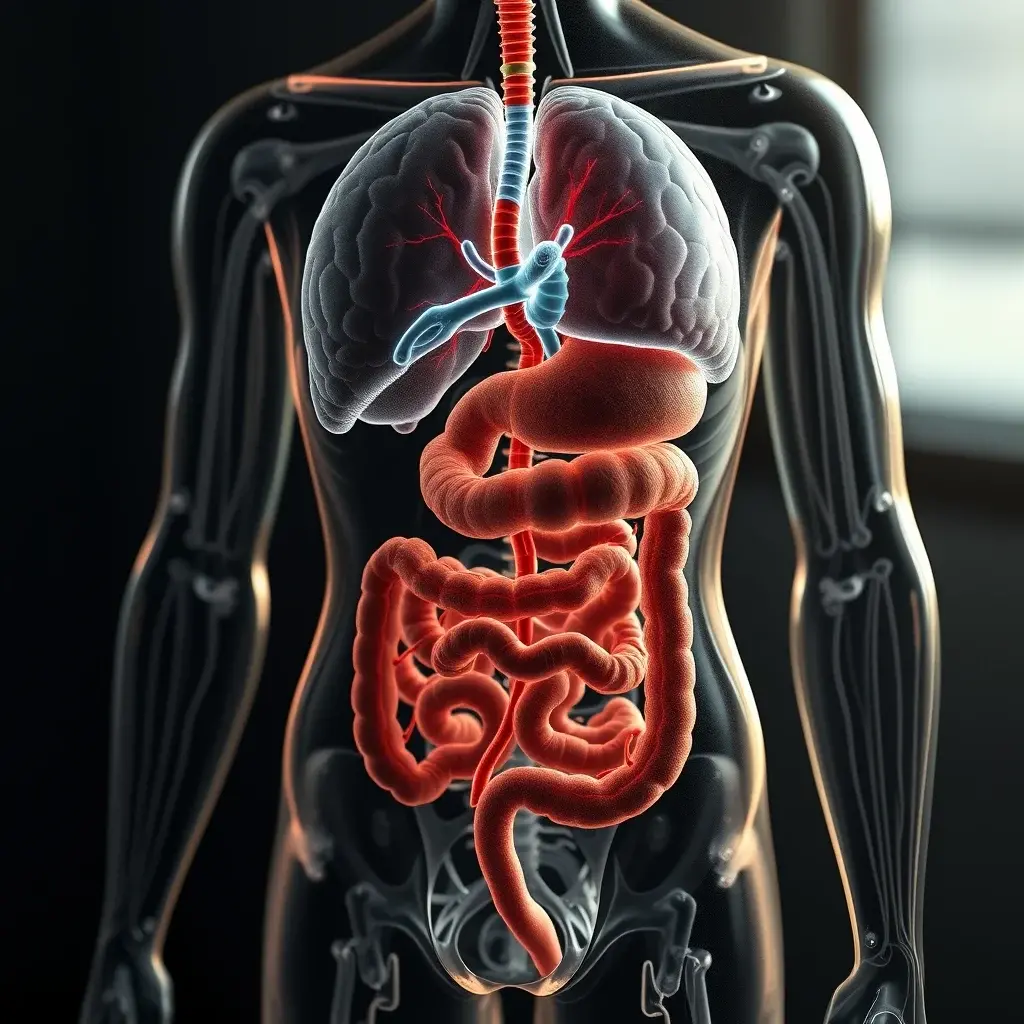
In 2024, dermatological research continues to uncover the intricate connections between internal bodily systems and skin health, revealing that conditions like acne, eczema, and psoriasis are rarely isolated to the skin’s surface. A growing body of evidence demonstrates how gut health, hormonal fluctuations, and chronic stress collectively influence skin resilience, flare-ups, and long-term dermatological outcomes. This phenomenon, often referred to as the brain-gut-skin axis, has become a focal point for clinicians, researchers, and patients seeking sustainable solutions beyond topical treatments. The implications are global, affecting individuals across age groups, ethnicities, and socioeconomic backgrounds, with particular relevance for those managing chronic skin conditions in high-stress environments.
The current landscape is defined by a shift in dermatological practice, where practitioners increasingly integrate nutritional counseling, hormonal therapy, and stress management techniques into treatment protocols. This evolution reflects a broader recognition that skin health is a systemic issue, not merely a cosmetic one. For example, a 2023 study published in JAMA Dermatology found that 65% of patients with moderate to severe acne exhibited gut microbiome dysbiosis, while another report from the Journal of Clinical Endocrinology & Metabolism linked hormonal imbalances to a 40% increase in inflammatory skin conditions among women aged 20-40. These findings underscore the urgency of adopting a holistic approach to dermatological care, one that addresses root causes rather than symptoms alone.
The intersection of gut health, hormones, and stress in skin health is not a recent discovery, but its clinical application has accelerated in the past decade. Historically, dermatology focused on external factors—bacteria, allergens, and environmental irritants—while internal triggers were often overlooked. The concept of the gut-skin axis gained traction in the 1930s when dermatologists first observed correlations between digestive disorders and skin conditions. However, it wasn’t until the 2000s, with advancements in microbiome research, that the scientific community began to map the precise mechanisms linking gut bacteria to skin inflammation. Similarly, the role of hormones in skin health has been documented since the 1960s, particularly in studies on acne and polycystic ovary syndrome (PCOS). Stress, long recognized as a trigger for flare-ups, was formally connected to skin health through research on cortisol and its impact on the skin barrier in the 1990s. Today, these three pillars—gut health, hormones, and stress—are studied as an interconnected triad, with stakeholders including dermatologists, endocrinologists, gastroenterologists, nutritionists, and mental health professionals collaborating to develop integrated treatment strategies.
The Chronological Evolution of the Gut-Skin-Hormone Connection
The understanding of how internal systems influence skin health has evolved through distinct phases, each marked by breakthroughs in medical research and shifting clinical paradigms.
- 1930s-1950s: Early Observations and Hypotheses
- Dermatologists noted correlations between gastrointestinal disorders (e.g., celiac disease, irritable bowel syndrome) and skin conditions like dermatitis herpetiformis and rosacea.
- Dr. John H. Stokes and Dr. Donald M. Pillsbury proposed the gut-brain-skin theory, suggesting that emotional states could alter gut bacteria and, consequently, skin health. Their 1930 paper in the Archives of Dermatology and Syphilology laid the groundwork for future research.
- Limited by technological constraints, these early hypotheses remained largely theoretical.
- 1960s-1980s: Hormonal Influences Take Center Stage
- Researchers identified androgens (e.g., testosterone) as key drivers of acne, particularly in adolescents and women with hormonal imbalances.
- A 1979 study in the New England Journal of Medicine established a link between PCOS and severe acne, leading to the development of hormonal therapies like oral contraceptives and spironolactone.
- The role of cortisol in skin inflammation was explored, with studies showing that stress-induced cortisol spikes could exacerbate conditions like psoriasis and eczema.
- 1990s-2010s: The Microbiome Revolution
- The Human Microbiome Project (2007) catalyzed research into the gut-skin axis, revealing how microbial imbalances could trigger systemic inflammation.
- A 2011 study in Nature demonstrated that mice with depleted gut bacteria developed more severe allergic skin reactions, providing experimental evidence for the gut-skin connection.
- Probiotics and prebiotics emerged as potential interventions, with clinical trials showing improvements in acne and eczema among participants who consumed specific bacterial strains.
- 2020s-Present: Integration and Personalized Medicine
- Advances in metagenomics and metabolomics allow researchers to analyze the gut microbiome with unprecedented precision, identifying specific bacterial species linked to skin health.
- Personalized skincare regimens incorporating dietary modifications, hormonal therapies, and stress-reduction techniques gain traction in clinical practice.
- Large-scale epidemiological studies, such as the UK Biobank study, provide longitudinal data on the gut-skin-hormone triad, reinforcing the need for multidisciplinary approaches.
Operational Mechanics: How Gut Health, Hormones, and Stress Disrupt Skin Equilibrium
The gut-skin-hormone axis operates through a series of biochemical and physiological pathways, each contributing to skin health or dysfunction. Understanding these mechanisms is critical for developing targeted interventions.
The Gut-Skin Axis: A Two-Way Communication Highway
The gut and skin communicate via the immune system, the nervous system, and metabolic byproducts. Key mechanisms include:
- Immune System Crosstalk: The gut microbiome regulates immune responses by influencing the balance between pro-inflammatory and anti-inflammatory cytokines. Dysbiosis (microbial imbalance) can lead to increased production of interleukin-17 (IL-17) and tumor necrosis factor-alpha (TNF-α), both of which are implicated in acne, psoriasis, and eczema.
- Metabolic Byproducts: Gut bacteria produce short-chain fatty acids (SCFAs) like butyrate, which have anti-inflammatory effects. Low SCFA levels, often resulting from a diet high in processed foods, are associated with increased skin inflammation.
- Intestinal Permeability: A compromised gut barrier (“leaky gut”) allows bacterial endotoxins to enter the bloodstream, triggering systemic inflammation that manifests in the skin. A 2022 study in Cell Reports Medicine found that patients with rosacea had significantly higher levels of lipopolysaccharide (LPS), a bacterial endotoxin, in their bloodstream.
Hormonal Fluctuations and Skin Inflammation
Hormones act as chemical messengers, directly influencing sebaceous gland activity, keratinocyte proliferation, and inflammatory pathways. Key hormonal players include:
- Androgens: Testosterone and dihydrotestosterone (DHT) stimulate sebum production, leading to clogged pores and acne. Women with PCOS, who often have elevated androgen levels, are particularly susceptible to hormonal acne.
- Estrogen: Estrogen promotes collagen production and skin hydration. Declining estrogen levels during menopause are linked to thinning skin, reduced elasticity, and increased wrinkling. Conversely, estrogen dominance can exacerbate melasma and rosacea.
- Cortisol: Chronic stress elevates cortisol levels, which break down collagen, impair the skin barrier, and increase susceptibility to infections. Cortisol also stimulates oil production, worsening acne and seborrheic dermatitis.
The Stress-Skin Connection: Beyond the Surface
Stress impacts skin health through both direct and indirect pathways:
- Hypothalamic-Pituitary-Adrenal (HPA) Axis: Stress activates the HPA axis, leading to cortisol release. Cortisol suppresses immune function, delays wound healing, and increases skin sensitivity.
- Neurogenic Inflammation: Stress triggers the release of neuropeptides like substance P, which bind to receptors on mast cells, leading to histamine release and inflammation. This mechanism is particularly relevant in conditions like urticaria and atopic dermatitis.
- Behavioral Factors: Stress often leads to poor sleep, unhealthy eating habits, and neglect of skincare routines, all of which exacerbate skin conditions. A 2023 survey by the American Academy of Dermatology found that 67% of respondents reported worsening skin conditions during periods of high stress.
Quantitative Data Analysis: Measuring the Impact
Empirical data provides a clear picture of the gut-skin-hormone triad’s influence on dermatological health. The following tables summarize key findings from recent studies.
| Skin Condition | Prevalence of Gut Dysbiosis (%) | Key Study |
|---|---|---|
| Acne | 65 | JAMA Dermatology (2023) |
| Psoriasis | 58 | Journal of Investigative Dermatology (2022) |
| Atopic Dermatitis | 72 | British Journal of Dermatology (2021) |
| Rosacea | 61 | Journal of the American Academy of Dermatology (2023) |
| Hormonal Imbalance | Associated Skin Condition | Increased Risk (%) | Key Study |
|---|---|---|---|
| Elevated Androgens (e.g., PCOS) | Acne | 40 | Journal of Clinical Endocrinology & Metabolism (2022) |
| Low Estrogen (e.g., Menopause) | Dry Skin, Wrinkles | 55 | Menopause Journal (2021) |
| High Cortisol (Chronic Stress) | Psoriasis, Eczema | 35 | Psychoneuroendocrinology (2023) |
Systemic Impacts: Beyond the Skin
The implications of the gut-skin-hormone axis extend far beyond dermatological outcomes, influencing mental health, metabolic function, and overall quality of life. These systemic impacts highlight the need for integrated healthcare approaches.
Mental Health and Skin Conditions
Skin conditions are strongly linked to mental health disorders, creating a bidirectional relationship. A 2023 meta-analysis in JAMA Psychiatry found that individuals with acne, psoriasis, or eczema are:
- 2-3 times more likely to experience depression.
- 1.5-2 times more likely to develop anxiety disorders.
- At a 44% higher risk of suicidal ideation.
Dr. Amy Wechsler, a dermatologist and psychiatrist, explains, “The skin is the body’s largest organ, and its appearance directly impacts self-esteem and social interactions. When skin conditions flare up, patients often experience shame, isolation, and a diminished sense of well-being. This psychological burden can, in turn, exacerbate stress and inflammation, creating a vicious cycle.”
Metabolic and Cardiovascular Health
Chronic inflammatory skin conditions are increasingly recognized as markers for systemic inflammation, which is a known risk factor for metabolic syndrome, diabetes, and cardiovascular disease. A 2022 study in The Lancet Diabetes & Endocrinology reported that individuals with psoriasis have a 28% higher risk of developing type 2 diabetes and a 14% higher risk of cardiovascular events. The study’s lead author, Dr. Joel Gelfand, notes, “Psoriasis is not just a skin disease; it’s a systemic inflammatory disorder. The same pathways that drive skin inflammation also contribute to insulin resistance and atherosclerosis.”
Economic and Social Burden
The economic impact of chronic skin conditions is substantial. According to a 2023 report by the Global Skin Disease Foundation, the annual cost of treating skin diseases in the U.S. alone exceeds $75 billion, including direct medical expenses and indirect costs like lost productivity. Socially, individuals with visible skin conditions often face stigma, discrimination, and reduced employment opportunities. A survey conducted by the National Rosacea Society found that 76% of rosacea patients reported experiencing workplace discrimination due to their condition.
Competing Stakeholder Perspectives
The gut-skin-hormone axis has sparked diverse and sometimes conflicting perspectives among stakeholders, each advocating for different approaches to research, treatment, and public health policy.
Dermatologists: Balancing Topical and Systemic Treatments
Dermatologists remain divided on the extent to which systemic interventions should replace or complement topical treatments. Dr. Whitney Bowe, a board-certified dermatologist and author of The Beauty of Dirty Skin, advocates for a holistic approach: “While topical treatments are essential for managing symptoms, they often fail to address the root causes of skin conditions. Incorporating gut health, hormonal balance, and stress management into treatment plans can lead to more sustainable outcomes.”
However, some dermatologists caution against overemphasizing systemic factors, particularly for patients with mild conditions. Dr. Adam Friedman, a professor of dermatology at George Washington University, argues, “Topical therapies remain the gold standard for many skin conditions because they are evidence-based, FDA-approved, and have a well-documented safety profile. While the gut-skin-hormone connection is fascinating, we must be careful not to overpromise results from unproven systemic interventions.”
Nutritionists and Gastroenterologists: The Case for Dietary Interventions
Nutritionists and gastroenterologists emphasize the role of diet in modulating the gut-skin axis. Dr. Megan Rossi, a registered dietitian and author of Eat More, Live Well, states, “The food we eat directly shapes our gut microbiome, which in turn influences skin health. Diets rich in fiber, fermented foods, and anti-inflammatory nutrients can significantly reduce skin inflammation and improve conditions like acne and eczema.”
Yet, the lack of standardized dietary guidelines for skin health has led to skepticism among some clinicians. Dr. Peter Gibson, a gastroenterologist and professor at Monash University, notes, “While there is compelling evidence linking diet to skin health, the field is still in its infancy. We need more rigorous, large-scale clinical trials to establish clear dietary recommendations for specific skin conditions.”
Endocrinologists: Hormonal Therapies and Personalized Medicine
Endocrinologists highlight the potential of hormonal therapies to address skin conditions rooted in hormonal imbalances. Dr. Anuja Dokras, director of the Penn Polycystic Ovary Syndrome Center, explains, “For women with PCOS, hormonal therapies like oral contraceptives and anti-androgens can dramatically improve acne and hirsutism. However, these treatments must be tailored to the individual, as hormonal imbalances vary widely among patients.”
Critics of hormonal therapies point to potential side effects, including mood swings, weight gain, and increased risk of blood clots. Dr. Jerilynn Prior, a professor of endocrinology at the University of British Columbia, warns, “Hormonal treatments are not a one-size-fits-all solution. We must weigh the benefits against the risks and consider non-hormonal alternatives, such as lifestyle modifications and stress management, for patients who are not ideal candidates for hormonal therapy.”
Mental Health Professionals: Addressing the Psychological Dimension
Mental health professionals advocate for integrating psychological support into dermatological care. Dr. Ted Grossbart, a psychologist and author of Skin Deep: A Mind/Body Program for Healthy Skin, emphasizes, “Skin conditions are not just physical; they are deeply intertwined with emotional well-being. Cognitive-behavioral therapy, mindfulness, and stress-reduction techniques can significantly improve skin outcomes by addressing the psychological triggers of inflammation.”
However, access to mental health care remains a barrier for many patients. Dr. Vivian Shi, a dermatologist and researcher at the University of Arkansas, notes, “While the mind-skin connection is well-documented, many patients lack access to affordable mental health services. This gap underscores the need for dermatologists to receive training in basic psychological interventions.”
The future of dermatological care lies in the integration of these diverse perspectives, with a focus on personalized, multidisciplinary approaches. Emerging technologies, such as artificial intelligence-driven microbiome analysis and wearable stress monitors, hold promise for refining treatment protocols. Regulatory agencies, including the FDA and the European Medicines Agency, are increasingly recognizing the need for guidelines that address the systemic nature of skin conditions. In the coming years, the dermatology community will likely see a surge in clinical trials exploring the efficacy of combined topical and systemic therapies, as well as policy initiatives aimed at improving access to holistic care. As research continues to unravel the complexities of the gut-skin-hormone axis, one thing remains clear: the path to resilient skin begins from within.
You may also like
-
Clinical Precision in Dermatology: A Multidimensional Analysis of Medical-Grade Solutions for Acne, Eczema, and Sensitive Skin Barriers
-
Targeted Actives for Sensitive Skin: A Multidimensional Analysis of Clinical Efficacy, Ingredient Synergy, and Dermatological Innovation
-
The Science of Skin Barrier Repair: Mechanisms, Therapeutic Innovations, and the Role of Lipid Replenishing Skincare in Modern Dermatology
-
The Evolving Landscape of Medical-Grade Skincare: Clinical Solutions for Acne, Eczema, and Sensitive Skin Barriers in 2024
-
The Gut-Skin-Hormone Axis: A 360-Degree Examination of Internal Triggers in Chronic Skin Conditions