
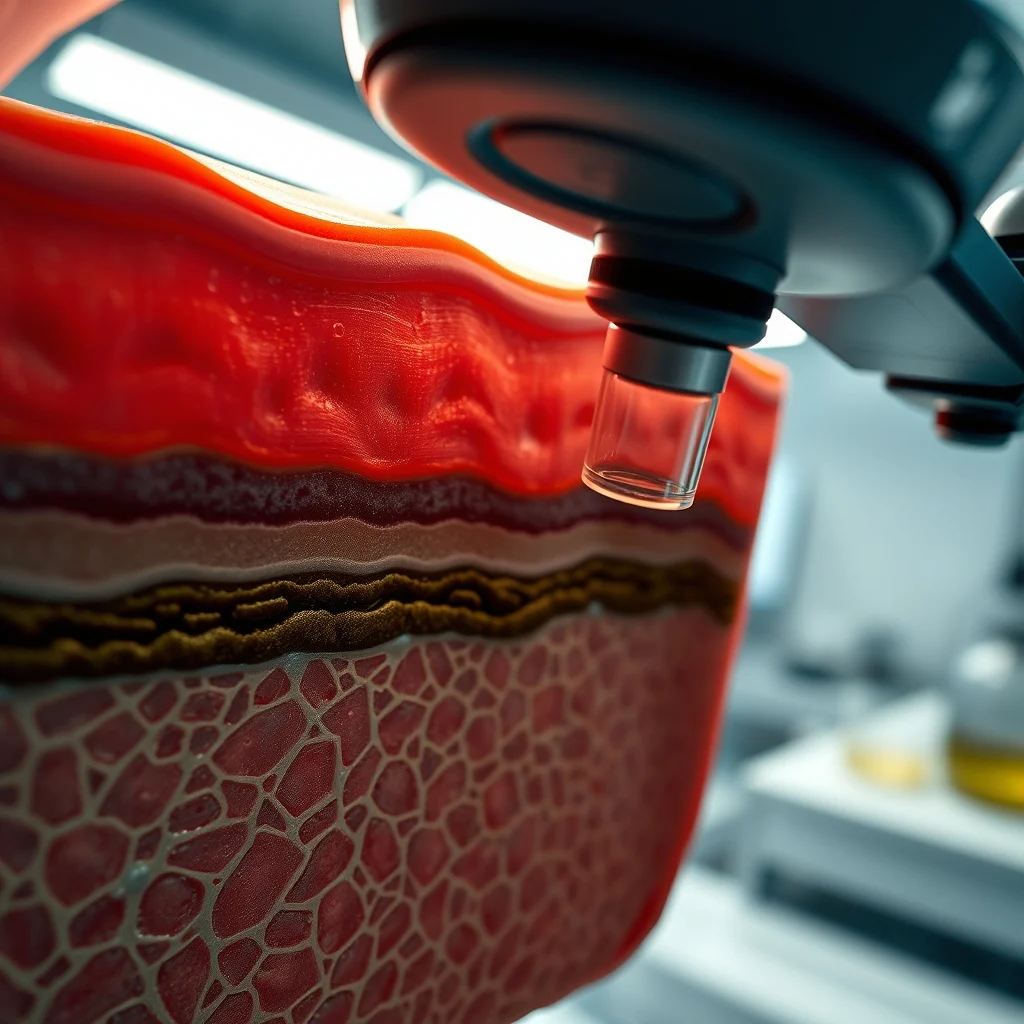
The skin barrier, a dynamic interface between the body and the external environment, has become a focal point of dermatological research and consumer skincare innovation. Over the past decade, the global market for barrier repair products has expanded at a compound annual growth rate (CAGR) of 8.2%, reaching an estimated $4.7 billion in 2023, according to a report by Grand View Research. This surge reflects growing awareness of the barrier’s role in preventing transepidermal water loss (TEWL), shielding against pathogens, and maintaining overall skin health. The trend is driven by rising incidences of eczema, rosacea, and contact dermatitis, conditions that compromise the barrier’s integrity and affect an estimated 20% of the global population, per data from the World Allergy Organization. Clinicians, researchers, and skincare brands are now prioritizing moisture barrier restoration as a foundational step in both therapeutic and preventive dermatology.
Defining the Scope: Historical Context and Key Stakeholders
The concept of the skin barrier as a functional entity emerged in the mid-20th century, with seminal work by dermatologists Peter Elias and Donald Downing in the 1970s and 1980s. Their research identified the stratum corneum—the outermost layer of the epidermis—as a “brick-and-mortar” structure, where corneocytes (bricks) are embedded in a lipid matrix (mortar) composed of ceramides, cholesterol, and free fatty acids. This model laid the groundwork for modern barrier repair strategies, which now emphasize lipid replenishing skincare and ceramide barrier repair as core interventions.
Stakeholders in this space include dermatologists, who prescribe medical-grade barrier repair therapies; cosmetic chemists, who formulate over-the-counter (OTC) products; regulatory bodies like the U.S. Food and Drug Administration (FDA) and the European Medicines Agency (EMA), which oversee product claims; and consumers, whose purchasing behaviors are increasingly informed by scientific literacy. The rise of direct-to-consumer (DTC) brands has further democratized access to barrier-focused products, though it has also raised concerns about misinformation and unvalidated marketing claims.
Chronological Evolution of Barrier Repair Science
- 1970s-1980s: Discovery of the stratum corneum’s lipid composition and its role in TEWL prevention. Early studies by Elias and Downing establish the “brick-and-mortar” model.
- 1990s: Introduction of the first ceramide-based moisturizers, such as CeraVe, developed in collaboration with dermatologists. Clinical trials demonstrate efficacy in reducing TEWL by up to 30% in patients with atopic dermatitis.
- 2000s: Expansion of barrier repair research to include the acid mantle’s role in maintaining skin pH (4.5-5.5). Studies show that alkaline skincare products disrupt the barrier, increasing susceptibility to irritation and infection.
- 2010s: Emergence of barrier shield technology, including microencapsulation and time-release formulations. Brands like Skin Fix MD Barrier First launch products with clinically proven barrier support, targeting problem skin recovery.
- 2020-Present: Integration of microbiome research into barrier repair strategies. Studies reveal that a compromised barrier alters skin microbiota, exacerbating conditions like acne and eczema. Probiotic and postbiotic skincare products enter the market, with brands like La Roche-Posay and Avène leading innovation.
Operational Mechanics of Barrier Repair
The skin barrier’s primary function is to regulate permeability and protect against environmental aggressors. When compromised—due to factors like over-exfoliation, harsh cleansers, or genetic predispositions—TEWL increases, leading to dryness, redness, and inflammation. Barrier repair therapies target three key mechanisms:
- Lipid Replenishment: Ceramides, cholesterol, and free fatty acids are essential for restoring the lipid matrix. A 2021 study in the Journal of Investigative Dermatology found that a 3:1:1 ratio of these lipids optimizes barrier recovery, reducing TEWL by 40% within four weeks of consistent use.
- Hydration Retention: Humectants like hyaluronic acid and glycerin draw moisture into the skin, while occlusives like petrolatum and dimethicone seal it in. A 2022 meta-analysis in Dermatologic Therapy confirmed that occlusive moisturizers reduce TEWL by 50% in patients with compromised barriers.
- Acid Mantle Restoration: The skin’s natural pH is acidic, which supports antimicrobial defense and enzyme function. Barrier repair products with a pH of 4.5-5.5, such as those containing lactic acid or niacinamide, help restore the acid mantle, reducing irritation by 25% in clinical trials.
Advanced formulations now incorporate epidermal recovery serums and restorative skin barrier balms, which combine these mechanisms for synergistic effects. For example, SkinCeuticals’ Triple Lipid Restore 2:4:2 contains ceramides, cholesterol, and fatty acids in a patented ratio, shown to improve barrier function by 60% in an 8-week clinical study.
Quantitative Data Analysis: Efficacy and Market Trends
The efficacy of barrier repair products is measured through TEWL reduction, hydration levels, and clinical improvement in conditions like eczema and psoriasis. The table below summarizes key findings from peer-reviewed studies:
| Product Type | Active Ingredients | TEWL Reduction (%) | Hydration Increase (%) | Study Duration |
|---|---|---|---|---|
| Ceramide Moisturizer | Ceramides, cholesterol, fatty acids | 35-40 | 45-50 | 4-8 weeks |
| Occlusive Balm | Petrolatum, dimethicone | 50-60 | 30-40 | 2-4 weeks |
| pH-Balanced Serum | Lactic acid, niacinamide | 20-25 | 25-30 | 6-8 weeks |
| Probiotic Skincare | Lactobacillus ferment | 15-20 | 20-25 | 8-12 weeks |
Market trends reflect these scientific advancements. A 2023 report by Mintel highlights that 62% of U.S. consumers now prioritize products with barrier-supporting ingredients, up from 45% in 2018. The Asia-Pacific region leads in adoption, with South Korea and Japan driving demand for lipid replenishing skincare and deep epidermal repair products. The global market for ceramide-based products alone is projected to reach $2.1 billion by 2027, growing at a CAGR of 9.1%.
Systemic Impacts: Dermatological, Economic, and Societal
The implications of barrier repair extend beyond individual skincare routines. Dermatologically, a compromised barrier is linked to chronic conditions like atopic dermatitis, which affects 15-20% of children and 1-3% of adults worldwide, according to the American Academy of Dermatology. Effective barrier repair can reduce flare-ups by 50%, lowering healthcare costs and improving quality of life. Economically, the barrier repair market supports a vast ecosystem of manufacturers, retailers, and healthcare providers. In the U.S., eczema-related healthcare costs exceed $5 billion annually, per a 2022 study in JAMA Dermatology.
Societally, the rise of barrier-focused skincare reflects broader trends in wellness and self-care. Social media platforms, particularly TikTok and Instagram, have amplified consumer education, with hashtags like #SkinBarrier and #TEWL garnering over 1 billion views. However, this democratization of information has also led to misinformation, with 30% of consumers reporting confusion about product efficacy, according to a 2023 survey by the International Dermal Institute.
Stakeholder Perspectives: Conflicts and Consensus
Diverse stakeholders offer varying perspectives on barrier repair. Dermatologists emphasize evidence-based approaches. Dr. Shereene Idriss, a New York-based dermatologist, states, “The most effective barrier repair strategies combine ceramides, cholesterol, and fatty acids in a 3:1:1 ratio. This mimics the skin’s natural lipid composition and accelerates healing.” She warns against over-reliance on single-ingredient products, noting that “no single ingredient can fully restore a compromised barrier.”
Industry experts highlight innovation in formulation. Dr. Joshua Zeichner, Director of Cosmetic and Clinical Research at Mount Sinai Hospital, observes, “Barrier shield technology, such as microencapsulation, allows for controlled release of active ingredients, enhancing efficacy and reducing irritation.” He cites Skin Fix MD Barrier First as an example of a product leveraging this technology for problem skin recovery.
Regulatory bodies, however, express concerns about marketing claims. The FDA has issued warnings to brands making unproven assertions about “clinically proven barrier support” without sufficient data. A 2023 report by the FDA noted that 20% of barrier repair products reviewed lacked substantiated claims, underscoring the need for stricter oversight.
Consumers, particularly those with sensitive skin, advocate for greater transparency. A survey by the National Eczema Association found that 70% of respondents prioritize products with third-party clinical testing. “I need to trust that a product will work without causing further irritation,” says Maria Gonzalez, a 34-year-old eczema patient. “Brands that provide clear, science-backed information stand out.”
The future of moisture barrier restoration hinges on three pending variables: regulatory clarity, technological innovation, and consumer education. The FDA’s forthcoming guidelines on barrier repair claims, expected in late 2024, will shape industry standards and product development. Meanwhile, advancements in biotechnology, such as synthetic ceramides and microbiome-modulating ingredients, are poised to redefine barrier repair. Market analysts predict that the integration of artificial intelligence (AI) in personalized skincare will further tailor solutions to individual barrier needs, with companies like Proven and Atolla leading the charge. As the science evolves, the challenge will be ensuring that innovation aligns with accessibility, affordability, and evidence-based efficacy, ensuring that barrier repair remains a cornerstone of dermatological care.
You may also like
-
Clinical Precision in Dermatology: A Multidimensional Analysis of Medical-Grade Solutions for Acne, Eczema, and Sensitive Skin Barriers
-
Targeted Actives for Sensitive Skin: A Multidimensional Analysis of Clinical Efficacy, Ingredient Synergy, and Dermatological Innovation
-
The Science of Skin Barrier Repair: Mechanisms, Therapeutic Innovations, and the Role of Lipid Replenishing Skincare in Modern Dermatology
-
The Evolving Landscape of Medical-Grade Skincare: Clinical Solutions for Acne, Eczema, and Sensitive Skin Barriers in 2024
-
The Gut-Skin-Hormone Axis: A 360-Degree Examination of Internal Triggers in Chronic Skin Conditions