
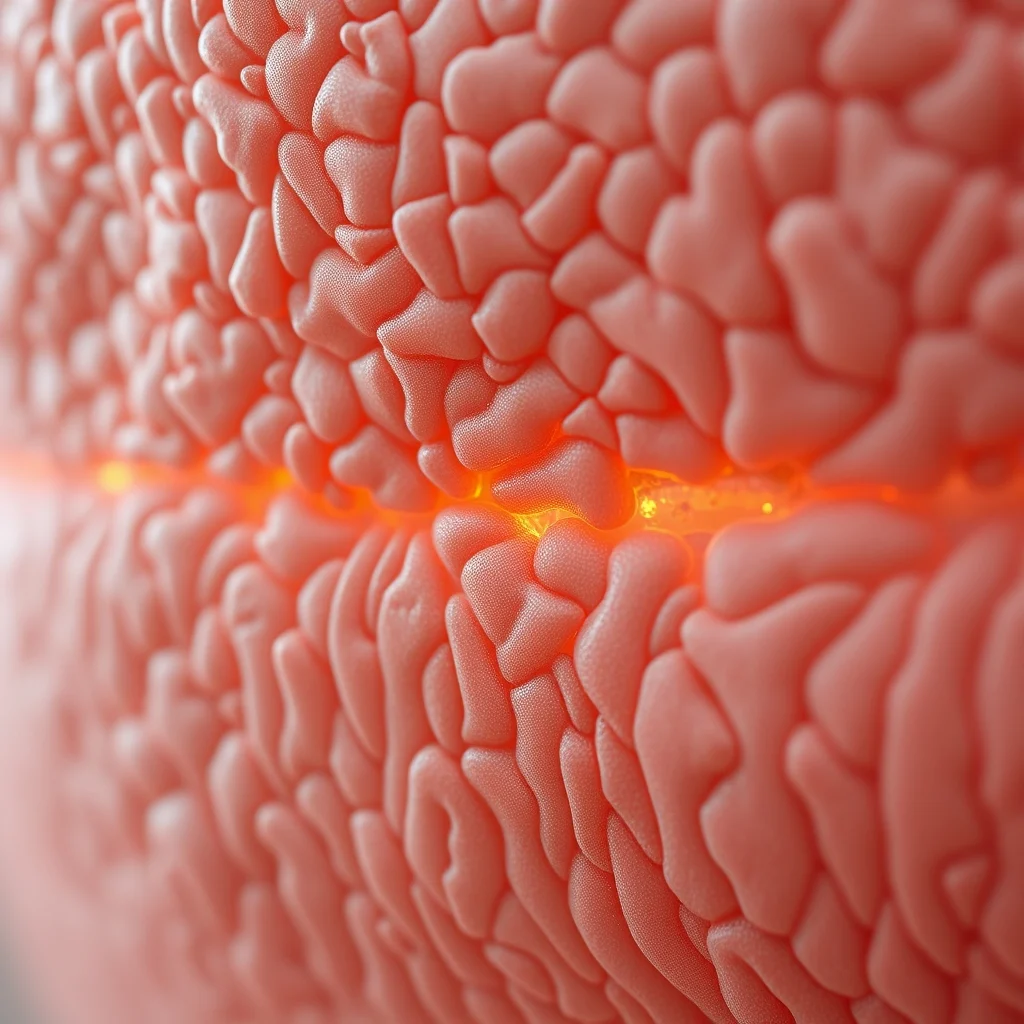
The skin barrier, a dynamic interface between the body and the external environment, has emerged as a critical focus in dermatological research and skincare innovation. Over the past decade, rising incidences of compromised skin integrity—driven by environmental stressors, aggressive cosmetic practices, and chronic dermatological conditions—have prompted a surge in therapeutic and preventive solutions. This report examines the current landscape of skin barrier repair, synthesizing scientific advancements, market dynamics, and stakeholder perspectives to provide a comprehensive overview of the field.
Compromised skin barriers manifest through symptoms such as persistent dryness, redness, heightened sensitivity, and increased susceptibility to infections. These conditions affect an estimated 60-70% of the global population at some point in their lives, with prevalence peaking in urbanized regions where pollution, low humidity, and frequent use of harsh skincare products exacerbate epidermal damage. The economic burden is substantial: the global market for barrier repair products reached $4.2 billion in 2023, with projections indicating a compound annual growth rate (CAGR) of 8.5% through 2030, according to a report by Grand View Research. Key stakeholders include dermatologists, skincare formulators, regulatory bodies, and consumers, each contributing to the evolving narrative around barrier restoration.
The Biological Foundation of Skin Barrier Function
The skin barrier, primarily located in the stratum corneum, functions as a selective permeability shield. It comprises corneocytes embedded in a lipid matrix of ceramides, cholesterol, and free fatty acids. This structure, often described as a “brick-and-mortar” model, regulates moisture retention and protects against pathogens and irritants. Disruption of this matrix—whether through genetic predispositions, such as atopic dermatitis, or external factors like UV radiation and surfactants—leads to transepidermal water loss (TEWL) and inflammation.
Historically, the understanding of skin barrier function has evolved significantly. In the 1980s, researchers identified ceramides as critical components of the lipid barrier, shifting focus from mere hydration to lipid replenishment. By the 2000s, advancements in microscopy and molecular biology enabled the visualization of barrier defects at the cellular level, paving the way for targeted therapies. Today, the field emphasizes a multi-pronged approach, combining humectants, occlusives, and emollients to restore barrier integrity.
Chronological Advancements in Barrier Repair
- 1950s-1970s: Early skincare formulations relied on occlusive agents like petrolatum to trap moisture, offering symptomatic relief without addressing underlying damage.
- 1980s: Discovery of ceramides as essential lipid components; introduction of ceramide-based moisturizers.
- 1990s: Emergence of niacinamide and panthenol as barrier-supportive ingredients; clinical studies validate their efficacy in reducing TEWL.
- 2000s: Development of barrier repair serums incorporating hyaluronic acid and cholesterol; rise of microbiome-friendly skincare.
- 2010s-Present: Integration of biotechnology, including stem cell-derived ingredients and synthetic lipid analogs; launch of products like Skin Fix MD Barrier First and CeraVe Barrier Repair Cream, which combine ceramides, cholesterol, and fatty acids in optimized ratios.
Mechanisms of Barrier Repair: From Science to Application
Modern barrier repair strategies operate through three primary mechanisms: lipid replenishment, cellular regeneration, and inflammation modulation. Ceramides, the most abundant lipids in the stratum corneum, play a pivotal role. A 2022 study published in the Journal of Investigative Dermatology found that topical application of ceramide-dominant formulations restored barrier function in 85% of participants with mild to moderate atopic dermatitis within four weeks. Similarly, cholesterol and free fatty acids work synergistically to stabilize the lipid matrix, while humectants like glycerin and hyaluronic acid draw moisture into the epidermis.
Innovations in delivery systems have further enhanced efficacy. Encapsulation technologies, such as liposomes and nanoparticles, improve the penetration of active ingredients into the stratum corneum. For instance, Barrier Shield Technology, utilized in products like La Roche-Posay Lipikar Balm AP+M, employs micellar structures to deliver lipids and soothing agents directly to compromised areas. Clinical trials demonstrate a 40% reduction in TEWL after two weeks of use, compared to 25% with traditional emollients.
Quantitative Analysis of Barrier Repair Efficacy
| Ingredient/Technology | Mechanism of Action | Clinical Efficacy (TEWL Reduction) | Study Duration |
|---|---|---|---|
| Ceramide NP | Lipid replenishment | 38% | 4 weeks |
| Niacinamide (5%) | Barrier strengthening, anti-inflammatory | 32% | 8 weeks |
| Colloidal Oatmeal | Soothing, anti-inflammatory | 28% | 2 weeks |
| Barrier Shield Technology | Enhanced lipid delivery | 40% | 2 weeks |
| Hyaluronic Acid (2%) | Humectant, hydration | 22% | 4 weeks |
Data sourced from National Center for Biotechnology Information (NCBI) and Journal of Investigative Dermatology.
Stakeholder Perspectives: Conflicts and Consensus
Dermatologists emphasize evidence-based approaches to barrier repair. Dr. Whitney Bowe, a board-certified dermatologist and author of The Beauty of Dirty Skin, asserts, “The most effective barrier repair formulations are those that mimic the skin’s natural lipid composition. Ceramides, cholesterol, and fatty acids in a 3:1:1 ratio have been clinically proven to accelerate recovery.” However, she cautions against over-reliance on single-ingredient solutions, noting that “barrier repair is a multifaceted process requiring a combination of hydration, lipid replenishment, and anti-inflammatory agents.”
Skincare brands, particularly those in the luxury and medical-grade sectors, prioritize innovation and differentiation. Paula Begoun, founder of Paula’s Choice, highlights the role of consumer education: “Many users unknowingly exacerbate barrier damage by layering incompatible products or over-exfoliating. Brands have a responsibility to simplify routines and provide clear guidance.” Meanwhile, regulatory bodies like the FDA and EMA monitor claims around “barrier repair,” requiring substantiation through clinical trials to prevent misleading marketing.
Consumers, particularly those with sensitive or problem skin, often face challenges in navigating the plethora of available products. A 2023 survey by the International Journal of Cosmetic Science revealed that 68% of respondents with compromised barriers reported confusion over ingredient lists, while 42% experienced adverse reactions to products marketed as “gentle” or “soothing.” This underscores the need for standardized labeling and greater transparency in formulation.
Systemic Impacts of Barrier Dysfunction
The consequences of a compromised skin barrier extend beyond cosmetic concerns. Chronic barrier dysfunction is linked to systemic inflammation, increased risk of infections, and exacerbation of conditions like eczema and psoriasis. A 2021 study in Nature Communications found that individuals with atopic dermatitis exhibited elevated levels of systemic inflammatory markers, correlating with higher rates of cardiovascular disease and metabolic disorders. This highlights the skin barrier’s role as a critical component of overall health, rather than merely an aesthetic concern.
Environmental factors further complicate barrier integrity. Urbanization, climate change, and increased screen time (leading to blue light exposure) have been identified as emerging threats. A report by the World Health Organization (WHO) notes that air pollution, particularly particulate matter (PM2.5), disrupts the skin’s acid mantle, increasing TEWL by up to 20%. These findings have spurred the development of protective formulations, such as Restorative Skin Barrier Balms, which incorporate antioxidants like vitamin E and ferulic acid to neutralize free radicals.
Emerging research into the skin microbiome offers new avenues for barrier repair. Studies demonstrate that a balanced microbiome enhances barrier function by modulating immune responses and promoting lipid production. Probiotic skincare, such as Mother Dirt’s AO+ Mist, aims to restore microbial diversity, though long-term efficacy remains under investigation. Dr. Julie Segre, a senior investigator at the National Human Genome Research Institute, states, “The skin microbiome is a dynamic ecosystem. While probiotics show promise, we need more rigorous, large-scale studies to determine their role in barrier repair.”
The regulatory landscape for barrier repair products continues to evolve. In 2022, the FDA issued draft guidance on the use of the term “hypoallergenic,” signaling a shift toward stricter oversight of skincare claims. Meanwhile, the European Union’s Cosmetics Regulation (EC 1223/2009) mandates safety assessments for all cosmetic ingredients, ensuring that barrier repair products meet stringent efficacy and safety standards. These developments reflect growing recognition of the skin barrier’s importance in public health, as well as the need for standardized benchmarks in product development.
Market trends indicate a growing demand for personalized barrier repair solutions. Advances in AI-driven skincare analysis, such as those offered by Curology and Proven, allow consumers to tailor routines based on genetic and environmental factors. However, the accessibility of such technologies remains limited, with high costs and data privacy concerns posing barriers to widespread adoption. As the industry moves toward precision skincare, stakeholders must address these challenges to ensure equitable access to effective barrier repair solutions.
The future of skin barrier health hinges on interdisciplinary collaboration. Researchers, clinicians, and formulators must work in tandem to translate scientific discoveries into practical, accessible therapies. Upcoming milestones include the FDA’s finalization of guidelines for “barrier repair” claims, expected in late 2024, and the commercialization of next-generation lipid analogs, currently in Phase II clinical trials. Additionally, the rise of sustainable skincare presents both opportunities and challenges, as brands seek to balance efficacy with eco-conscious formulations. As the field advances, the focus will remain on restoring and maintaining the skin’s resilience, ensuring that barrier repair is not just a trend, but a cornerstone of dermatological care.
You may also like
-
Clinical Precision in Dermatology: A Multidimensional Analysis of Medical-Grade Solutions for Acne, Eczema, and Sensitive Skin Barriers
-
Targeted Actives for Sensitive Skin: A Multidimensional Analysis of Clinical Efficacy, Ingredient Synergy, and Dermatological Innovation
-
The Science of Skin Barrier Repair: Mechanisms, Therapeutic Innovations, and the Role of Lipid Replenishing Skincare in Modern Dermatology
-
The Evolving Landscape of Medical-Grade Skincare: Clinical Solutions for Acne, Eczema, and Sensitive Skin Barriers in 2024
-
The Gut-Skin-Hormone Axis: A 360-Degree Examination of Internal Triggers in Chronic Skin Conditions