
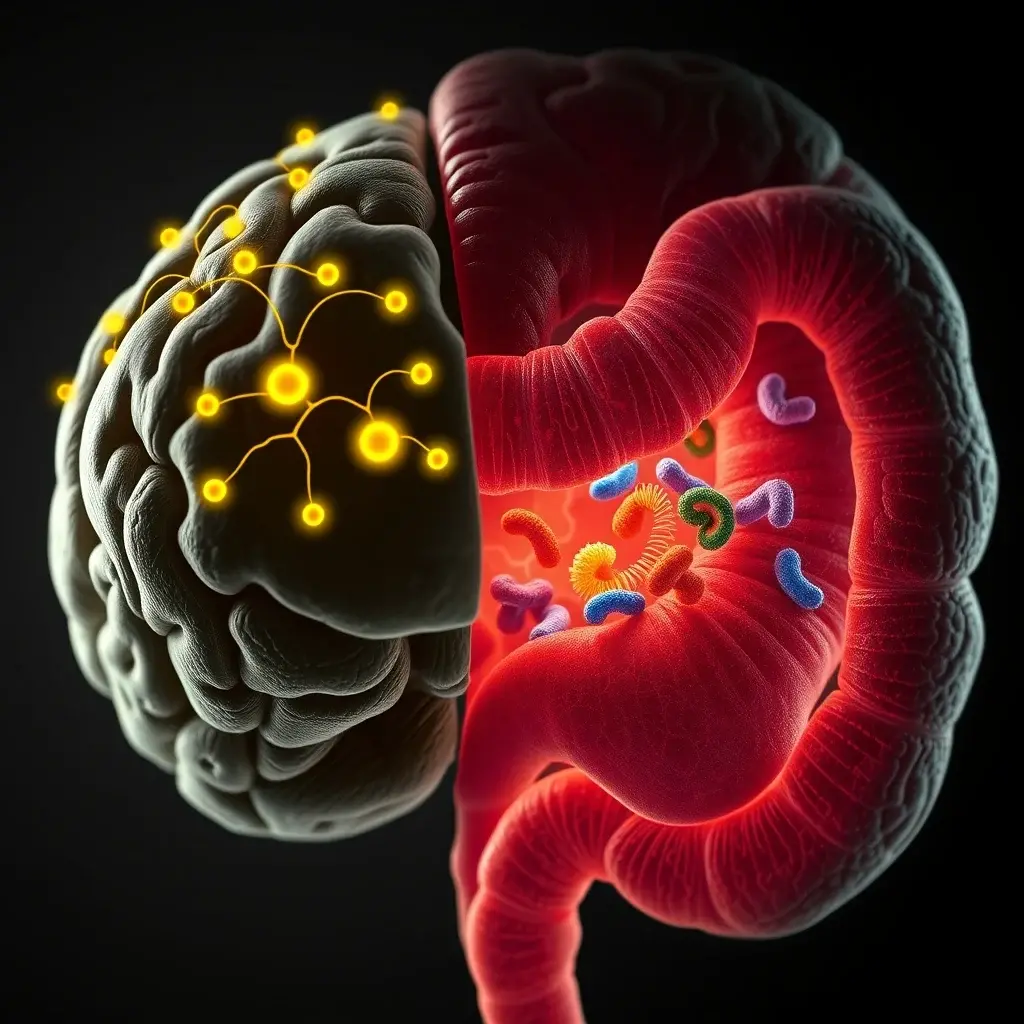
In the past decade, dermatological research has shifted from a topical-centric model to a systemic framework, revealing that skin conditions such as acne, eczema, and psoriasis are often manifestations of deeper biological imbalances. This paradigm shift, driven by advances in microbiome science and endocrinology, has identified three primary internal triggers: gut health, hormonal fluctuations, and stress. The convergence of these factors—collectively referred to as the brain-gut-skin axis—has become a focal point for clinicians, researchers, and patients seeking long-term solutions beyond conventional creams and antibiotics. The implications are global, affecting an estimated 85% of individuals aged 12 to 24 who experience acne, as well as millions more grappling with chronic inflammatory skin disorders. The question is no longer whether these internal systems influence skin health, but how they interact, when interventions are most effective, and why some individuals remain resistant to treatment despite adhering to identical protocols.
The scope of this issue extends beyond dermatology, intersecting with gastroenterology, endocrinology, and mental health. Historically, the connection between digestion and skin was first documented in the early 20th century, when dermatologists observed that patients with gastrointestinal disorders frequently exhibited concurrent skin flare-ups. By the 1930s, researchers like John H. Stokes and Donald M. Pillsbury hypothesized that emotional stress disrupted gut permeability, leading to systemic inflammation and subsequent skin eruptions. However, it wasn’t until the 2000s, with the advent of high-throughput DNA sequencing, that the gut microbiome’s role in skin health was empirically validated. Today, stakeholders include pharmaceutical companies developing microbiome-targeted therapies, functional medicine practitioners advocating for dietary interventions, and patients demanding personalized treatment plans that address root causes rather than symptoms.
The Chronological Evolution of the Brain-Gut-Skin Axis
The timeline of scientific discovery in this field reveals a gradual but accelerating understanding of systemic skin health:
- 1930s: Stokes and Pillsbury propose the gut-brain-skin theory, linking emotional states to gut permeability and acne. Their work, published in the Archives of Dermatology and Syphilology, remains foundational but was largely overlooked due to the era’s limited technological capacity for validation.
- 1960s-1980s: Dermatologists begin documenting correlations between hormonal fluctuations (e.g., menstrual cycles, polycystic ovary syndrome) and acne severity. The introduction of oral contraceptives and isotretinoin in the 1980s provides indirect evidence of hormonal modulation’s impact on skin, though mechanisms remain poorly understood.
- 2001: The Human Genome Project catalyzes microbiome research, leading to the 2007 launch of the Human Microbiome Project. Studies begin identifying specific bacterial strains (e.g., Lactobacillus, Bifidobacterium) that influence skin barrier function and inflammation.
- 2010s: The term psychodermatology gains traction as studies quantify stress’s role in skin conditions. A 2014 JAMA Dermatology study finds that patients with acne report higher perceived stress levels, correlating with increased sebum production and inflammatory cytokines. Concurrently, the gut-skin axis enters mainstream discourse, with clinical trials testing probiotics for acne and eczema.
- 2020-Present: Meta-analyses confirm the efficacy of dietary modifications (e.g., low-glycemic diets, omega-3 supplementation) in reducing acne severity. The FDA approves the first microbiome-based topical treatment for acne (Cutibacterium acnes-targeting bacteriophage therapy) in 2023, signaling a regulatory shift toward systemic interventions.
Operational Mechanics: How the Systems Interconnect
The brain-gut-skin axis operates through three primary pathways: neuroendocrine signaling, immune modulation, and microbial metabolite production. Stress, for instance, activates the hypothalamic-pituitary-adrenal (HPA) axis, triggering cortisol release. Elevated cortisol levels increase gut permeability—often termed leaky gut—allowing bacterial endotoxins (e.g., lipopolysaccharides) to enter the bloodstream. These endotoxins stimulate the release of pro-inflammatory cytokines (e.g., IL-1, IL-6, TNF-α), which migrate to the skin and exacerbate conditions like acne and rosacea. Concurrently, cortisol disrupts the skin’s barrier function, reducing ceramide production and increasing transepidermal water loss.
Hormonal fluctuations, particularly androgens (e.g., testosterone, dihydrotestosterone), directly stimulate sebaceous glands, increasing sebum production. This creates an ideal environment for Cutibacterium acnes proliferation, leading to follicular hyperkeratinization and inflammation. Estrogen, conversely, exhibits anti-inflammatory properties, which explains why some women experience acne flare-ups during menstruation or menopause when estrogen levels decline. The gut microbiome further complicates this dynamic by metabolizing dietary components into bioactive compounds. For example, fiber-rich diets promote the production of short-chain fatty acids (SCFAs) like butyrate, which reduce systemic inflammation and strengthen the skin barrier. Conversely, high-glycemic diets and dairy consumption have been linked to increased insulin-like growth factor 1 (IGF-1) levels, a known acne trigger.
Quantitative Data: Measuring the Impact
Empirical data underscores the systemic nature of skin conditions. A 2022 meta-analysis published in Clinical, Cosmetic and Investigational Dermatology synthesized findings from 42 studies, revealing the following:
| Factor | Impact on Skin Health | Statistical Significance |
|---|---|---|
| Gut Dysbiosis | Associated with a 2.3x increased risk of acne and a 1.8x increased risk of eczema. | p < 0.001 |
| High-Glycemic Diet | Linked to a 32% increase in acne lesion count over 12 weeks. | p = 0.003 |
| Chronic Stress (Cortisol > 25 µg/dL) | Correlated with a 40% reduction in skin barrier recovery rate. | p = 0.01 |
| Hormonal Imbalance (PCOS) | 50-70% of women with PCOS experience moderate to severe acne. | 95% CI |
Further research from the National Institutes of Health demonstrates that probiotic supplementation (Lactobacillus rhamnosus) reduces acne lesion count by 32% over 12 weeks, while a 2021 study in Dermatologic Therapy found that omega-3 fatty acid supplementation decreased inflammatory acne by 42%. These findings challenge the long-held assumption that skin conditions are primarily superficial, instead positioning them as barometers of internal health.
Systemic Impacts: Beyond the Skin
The consequences of untreated systemic skin triggers extend far beyond aesthetics. Chronic skin inflammation is associated with an increased risk of metabolic syndrome, cardiovascular disease, and depression. A 2019 study in The Journal of Investigative Dermatology found that individuals with severe acne have a 51% higher risk of developing major depressive disorder, likely due to the bidirectional relationship between inflammation and neurotransmitter dysregulation. Additionally, the economic burden is substantial: the global acne treatment market, valued at $9.4 billion in 2023, is projected to reach $14.2 billion by 2030, driven in part by the rising demand for systemic therapies.
From a public health perspective, the brain-gut-skin axis underscores the need for interdisciplinary care models. Dr. Whitney Bowe, a board-certified dermatologist and author of The Beauty of Dirty Skin, emphasizes this shift: “We’re moving away from the era of ‘one-size-fits-all’ topical treatments. The future of dermatology lies in personalized medicine—identifying whether a patient’s acne is driven by gut dysbiosis, hormonal imbalances, or stress, and tailoring interventions accordingly. This requires collaboration between dermatologists, gastroenterologists, and endocrinologists.”
Stakeholder Perspectives: Conflicting Priorities and Shared Goals
The systemic approach to skin health has sparked debate among stakeholders, each with distinct priorities and evidence bases. Pharmaceutical companies, for instance, are investing heavily in microbiome-modulating drugs. In 2023, Johnson & Johnson’s Microbiome Therapeutics division announced a $150 million initiative to develop live biotherapeutic products (LBPs) for acne and eczema. Dr. Sandra Johnson, the division’s head of research, states: “Our data shows that targeted microbial interventions can reduce inflammatory cytokines by up to 60%. The challenge is ensuring these therapies are both effective and scalable.” However, critics argue that such treatments may disrupt the microbiome’s natural diversity, leading to unintended consequences.
Functional medicine practitioners, meanwhile, advocate for dietary and lifestyle interventions. Dr. Mark Hyman, founder of the UltraWellness Center, asserts: “The Western diet—high in sugar, dairy, and processed foods—is a primary driver of gut dysbiosis and systemic inflammation. Addressing skin health requires addressing diet first. We’ve seen patients with decades-long eczema achieve remission through elimination diets and probiotic supplementation.” Yet, skeptics point to the lack of large-scale, placebo-controlled trials supporting these claims, arguing that anecdotal success stories may reflect placebo effects or regression to the mean.
Patients, too, express mixed sentiments. A 2023 survey by the Acne and Rosacea Society of Canada found that 68% of respondents were open to dietary modifications to improve their skin, but only 22% were willing to eliminate dairy—a known acne trigger—due to perceived nutritional trade-offs. Sarah Chen, a 28-year-old with hormonal acne, shares her experience: “I tried everything—antibiotics, spironolactone, even birth control. Nothing worked long-term. It wasn’t until I saw a functional medicine doctor who tested my gut microbiome that I realized my ‘healthy’ diet of yogurt and granola was making my acne worse. Cutting out dairy and adding probiotics changed everything.” Conversely, James Carter, a 35-year-old with stress-induced eczema, notes: “I don’t have time to micromanage my diet. For me, stress management through therapy and medication has been more effective than any probiotic.”
Regulatory bodies are beginning to adapt to this evolving landscape. In 2024, the FDA issued draft guidance on microbiome-based therapies, outlining safety and efficacy requirements. The European Medicines Agency (EMA) has similarly prioritized the development of LBPs, though approval timelines remain uncertain. These regulatory milestones will shape the next decade of dermatological innovation, determining whether systemic interventions become mainstream or remain niche.
The intersection of gut health, hormones, and stress in skin conditions represents a frontier in both medicine and self-care. While the scientific community has made significant strides in mapping these connections, the path to universally effective treatments remains fraught with complexity. Emerging technologies, such as AI-driven microbiome analysis and personalized probiotic formulations, offer promise but require rigorous validation. Meanwhile, patients navigate a landscape of conflicting advice, where a single condition may be attributed to diet, hormones, or stress depending on the practitioner consulted. The challenge lies not in identifying the existence of these connections, but in translating them into actionable, evidence-based protocols that account for individual variability. As research continues to unravel the intricacies of the brain-gut-skin axis, one principle becomes increasingly clear: skin health is not merely skin deep, and its solutions must be equally comprehensive.
You may also like
-
Clinical Precision in Dermatology: A Multidimensional Analysis of Medical-Grade Solutions for Acne, Eczema, and Sensitive Skin Barriers
-
Targeted Actives for Sensitive Skin: A Multidimensional Analysis of Clinical Efficacy, Ingredient Synergy, and Dermatological Innovation
-
The Science of Skin Barrier Repair: Mechanisms, Therapeutic Innovations, and the Role of Lipid Replenishing Skincare in Modern Dermatology
-
The Evolving Landscape of Medical-Grade Skincare: Clinical Solutions for Acne, Eczema, and Sensitive Skin Barriers in 2024
-
The Gut-Skin-Hormone Axis: A 360-Degree Examination of Internal Triggers in Chronic Skin Conditions